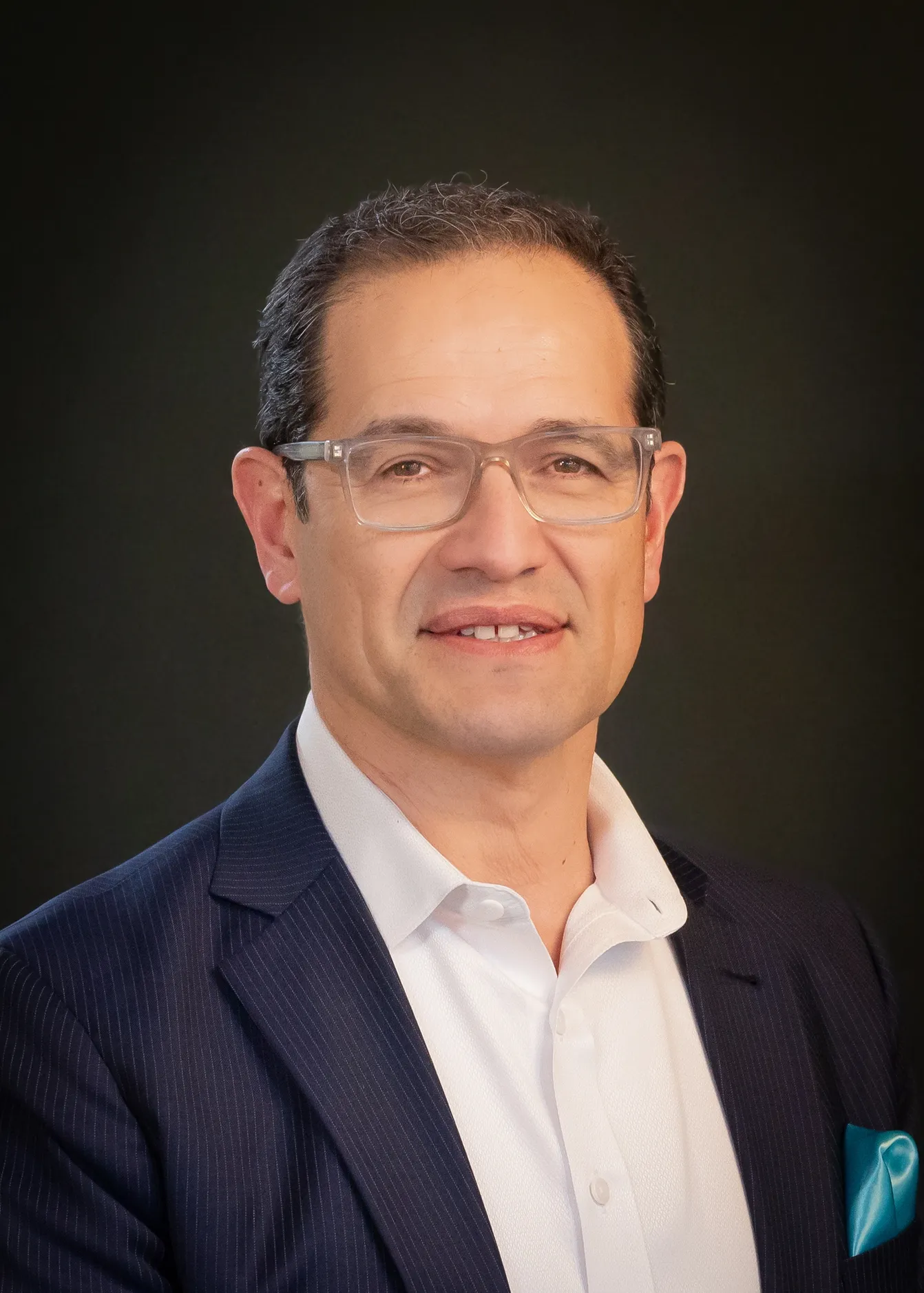
Creator of The New Medical Model.
Objective: In 1977, George Engel proposed the biopsychosocial model as a corrective to the limitations of the biomedical model, where everything was explained by chemistry and biology. Considering biology, psychology and sociology brought about enormous advancements in healing and health. But, today, nearly five decades later, mental disorders remain among the leading causes of disability worldwide. This article evaluates whether contemporary evidence justifies expanding the biopsychosocial framework to include two additional domains—culture and spirituality—going from a three to a five-domain paradigm.
Methods: A structured narrative review of epidemiological data and peer-reviewed literature was conducted using authoritative sources including the CDC, NIMH, ONS (UK), Spain’s INE, Mexico’s INEGI, and international psychiatric literature. Evidence included systematic reviews, meta-analysis, and position statements from major psychiatric organizations.
Results: Global disability-adjusted life years attributable to mental disorders increased from approximately 80 million in 1990 to more than 125 million in 2019. National data show similar pressures: depressive symptoms among U.S. adults increased from 6.2% in 2005–2006 to 8.1% in 2015–2016; adolescent major depressive episodes rose significantly between 2009 and 2019; England reports increasing prevalence of common mental disorders; and Mexico shows persistent depressive symptom prevalence with low treatment coverage. Evidence from meta-analyses indicates that culturally adapted psychological interventions improve outcomes (g≈0.67). Psychiatric organizations, including the World Psychiatric Association and the Royal College of Psychiatrists, recognize spirituality as clinically relevant when addressed ethically.
Conclusions: Integrating cultural and spiritual domains into the biopsychosocial framework may improve explanatory power, clinical engagement, and treatment outcomes. Future research should test whether structured assessment of these domains enhances adherence, therapeutic alliance, and clinical outcomes.
Clinical Trial Registration: Not applicable (conceptual review).
Introduction
George Engel’s seminal critique of the biomedical model argued that illness cannot be adequately understood solely through biological mechanisms. His biopsychosocial model emphasized that disease emerges from interactions among biological processes, psychological experience, and social context.
Despite widespread adoption of this framework, clinical practice often under operationalizes two critical determinants of health: culture and spirituality. Cultural norms shape identity, stigma, explanatory models of illness, and help-seeking behavior. Spiritual beliefs frequently influence coping, meaning making, and resilience. Dr. Daniel B. Martinez has proposed that psychiatry should therefore evolve toward a five-domain paradigm incorporating biological, psychological, social, cultural, and spiritual dimensions.
The need for this expansion is underscored by epidemiological trends showing persistent or increasing mental health burdens globally and across multiple national contexts.
Methods
This study is a structured narrative review and conceptual synthesis. Evidence was selected according to three criteria:
Because this work does not involve prospective human subject assignment, clinical trial registration is not applicable.
Results
Epidemiological Trends
Mental disorders remain a leading contributor to global disability. The Global Burden of Disease study reports a rise in total DALYs attributable to mental disorders between 1990 and 2019. In the United States, national surveys show increasing depressive symptoms and persistent suicide mortality trends. Similar patterns are observed internationally, with rising prevalence of common mental disorders in England and increasing suicide rates in several countries including Mexico.
These trends suggest that improved biological treatments alone have not reversed population-level mental health burdens. Having included psychological (attitudes, cognitions, emotional regulation, trauma-related processes, attachment, coping styles) sociological (poverty and financial status, discrimination, housing, violence, isolation, family systems, education/work conditions, and access to care) has not been enough. Perhaps, culture and spirituality considerations are missing.
Cultural Determinants
Cultural factors influence symptom expression, stigma, and treatment engagement. The DSM-5 Cultural Formulation Interview (CFI) was developed to standardize cultural assessment in psychiatric evaluation. International field trials demonstrate its feasibility and clinical utility. Meta-analytic evidence further indicates that culturally adapted psychological interventions significantly improve treatment outcomes.
Spiritual Determinants
Major psychiatric bodies recognize that spiritual beliefs can influence mental health. Clinical tools such as the HOPE and FICA spiritual assessment frameworks enable structured evaluation of patients’ spiritual resources and struggles. Observational studies have associated religious participation with reduced suicide risk in certain populations, although negative religious coping can worsen outcomes. Ethical guidelines emphasize that clinicians must address spirituality respectfully without proselytizing.
Neuroscientific Context
Advances in neuroscience demonstrate that environmental experience—including cultural learning and contemplative practices—can influence neural networks related to cognition, stress regulation, and emotional processing. These findings support the integration of contextual determinants into psychiatric models rather than a purely reductionist approach.
Discussion
A five-domain biopsychosocial-cultural-spiritual paradigm preserves Engel’s multilevel framework while recognizing additional determinants that influence mental health outcomes. Culture and spirituality are measurable, clinically relevant, and ethically manageable within professional standards.
Future empirical research should evaluate whether structured assessment of these domains improves therapeutic alliance, treatment adherence, and symptom outcomes. Pragmatic clinical trials and implementation studies could test these hypotheses across diverse populations.

Mental Health Explained with Dr. Daniel B. Martinez, Psychiatrist Mental health becomes less frightening when it is properly understood. This channel offers clear psychiatric education for individuals, families, and professionals who want to better understand emotional suffering, behavior, and the conditions that influence daily life. Dr. Daniel B. Martinez approaches each topic from a medical and human perspective, integrating brain science, psychology, and lived experience to explain what people feel and why they feel it. The goal is not to sensationalize symptoms or simplify complex conditions, but to bring clarity, reduce stigma, and help viewers recognize. The content presented here is educational and does not replace clinical treatment. It is intended to help you think more clearly about your inner life, your relationships, and the struggles that often remain unspoken. Learn more about clinical services and consultation at [https://discoverccs.org](https://discoverccs.org)

Let us join your trip or commute with a better understanding of Mental Health Issues
1/6
You are invited to vist us. Let's talk!
Abre hoy | 09:00 a.m. – 05:00 p.m. |
Suscríbe for latest news, promos and events.
Usamos cookies para analizar el tráfico del sitio web y optimizar tu experiencia en el sitio. Al aceptar nuestro uso de cookies, tus datos se agruparán con los datos de todos los demás usuarios.